Kidney disease is not a burden carried by the patient alone. When one family member suffers from kidney failure, it affects the entire household—their financial stability, emotional well-being, and even the productivity of the nation. When kidney function declines severely, survival without dialysis becomes extremely difficult. Patients typically require dialysis two to three times per week, and without it, their lives are at serious risk.
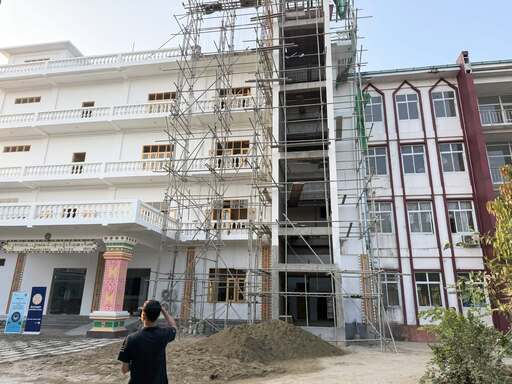
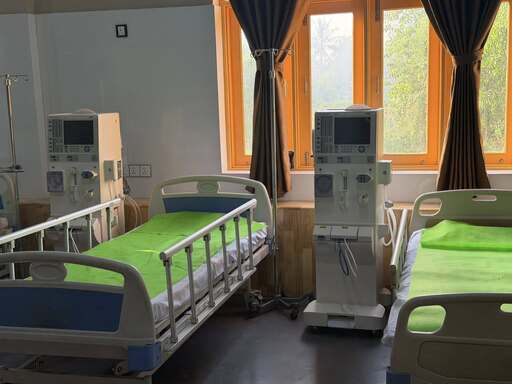
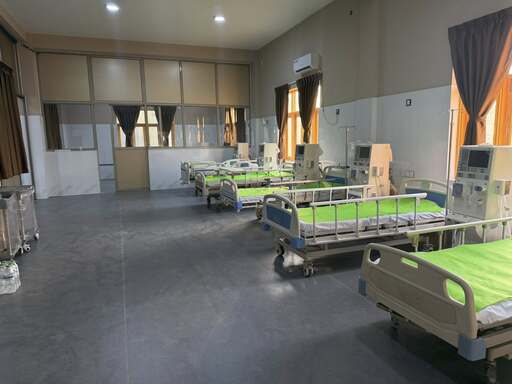
However, establishing and sustaining a dialysis center is highly challenging due to the significant operational costs involved. The average cost for a single dialysis session is approximately 150,000 MMK per patient. In addition, the daily operational cost of running a dialysis center can reach around 300,000 MMK, depending on the number of machines and treatment frequency.
To support just 15 patients who require dialysis twice a week, the estimated monthly cost is substantial. Each patient requires approximately 300,000 MMK per week, totaling around 1.2 million MMK per month per patient. For 15 patients, this amounts to approximately 18 million MMK per month for treatment alone. When combined with operational costs of approximately 9 million MMK per month, the total estimated monthly cost reaches around 27 million MMK to sustain the center and support these patients.
Today, hundreds of kidney patients rely on dialysis to survive. While it may not yet be possible to support everyone in need, taking the first step to save at least 15 lives is both meaningful and necessary. Establishing a sustainable funding system—such as a dedicated donation fund—will help ensure that the dialysis center can continue operating effectively in the long term.
It is also important to recognize that kidney disease is largely preventable with proper awareness and early care. In response, the Rotary Club of Metro Yangon (RCMY) is actively working together with local and international experts, as well as compassionate donors, to strengthen both prevention and treatment efforts for the benefit of the entire nation.
With the continued generosity and goodwill of donors who support these humanitarian initiatives, we sincerely hope for a future where kidney disease can be reduced—and ultimately eliminated—from our communities.
Record Photo